%2Ffit-in%2F250x250%2Fguide_websites%2F19803%2Fimages%2F1732580319129gla.png&w=1920&q=100)
/users/44d14b87-ec7a-43d8-9d63-c1dee8224bad/ratecard/467756113_122116564226576939_4382812319037911471_n.jpg)
%2F300x300%2Fusers%2F44d14b87-ec7a-43d8-9d63-c1dee8224bad%2Fratecard%2F467756113_122116564226576939_4382812319037911471_n.jpg&w=256&q=75)
%2F300x300%2Fusers%2F44d14b87-ec7a-43d8-9d63-c1dee8224bad%2Fimages%2Fsummer-flounder-lafitte-fishing-2657.jpg&w=256&q=75)
%2F300x300%2Fusers%2F44d14b87-ec7a-43d8-9d63-c1dee8224bad%2Fimages%2Fredfish-catch-la-2693.jpg&w=256&q=75)
%2F300x300%2Fusers%2F44d14b87-ec7a-43d8-9d63-c1dee8224bad%2Fimages%2Ffishing-fun-lafitte-2688.jpg&w=256&q=75)
%2F300x300%2Fusers%2F44d14b87-ec7a-43d8-9d63-c1dee8224bad%2Fimages%2Fredfish-fishing-la-2759.jpg&w=256&q=75)
%2F300x300%2Fusers%2F44d14b87-ec7a-43d8-9d63-c1dee8224bad%2Fimages%2Fblack-drum-fishing-louisiana-2707.jpg&w=256&q=75)
%2F300x300%2Fusers%2F44d14b87-ec7a-43d8-9d63-c1dee8224bad%2Fimages%2Fanglers-enjoy-fishing-lafitte-2674.jpg&w=256&q=75)
%2F300x300%2Fusers%2F44d14b87-ec7a-43d8-9d63-c1dee8224bad%2Fimages%2Fsuccessful-fishing-trip-lafitte-2844.jpg&w=256&q=75)
%2F300x300%2Fusers%2F44d14b87-ec7a-43d8-9d63-c1dee8224bad%2Fimages%2Fredfish-caught-lafitte-2725.jpg&w=256&q=75)
%2F300x300%2Fusers%2F44d14b87-ec7a-43d8-9d63-c1dee8224bad%2Fimages%2Fredfish-reel-in-la-2757.jpg&w=256&q=75)
%2F300x300%2Fusers%2F44d14b87-ec7a-43d8-9d63-c1dee8224bad%2Fimages%2Fredfish-caught-la-2627.jpg&w=256&q=75)
Premium 12-Hour Inshore Fishing Adventure
 Lafitte
 What you will be catching:
 Black Drum
 Redfish
 Sea Trout
 Sheepshead
 Summer Flounder
- Extended combo trip targeting redfish and black drum in prime marshland
- Morning and afternoon sessions with break for catch cleaning and lunch
- Multiple fishing strategies in Louisiana's productive inshore waters
Trip Pricing and Availabilities:
Extended Redfish and Black Drum Lafitte Trip
Looking to make the most of your fishing day in Lafitte? This extended combo trip is exactly what you need. We're talking about starting early and finishing strong – a morning session that flows right into an afternoon adventure. Your catch from the morning gets cleaned, bagged, and stored on ice while you take a breather, grab some lunch, maybe a cold drink, then head back out for round two. It's the kind of day that serious anglers dream about, especially when you're targeting the legendary redfish and black drum that make these Louisiana waters famous.
What to Expect on the Water
This isn't your typical half-day trip – we're going all in. You and one other angler get the boat to yourselves, which means more time with lines in the water and more chances to dial in on what's working. The morning session usually runs about four hours, giving us plenty of time to work the marshes and canals around Lafitte. After we get your fish cleaned and iced down, you've got time to fuel up before the afternoon push. The second session lets us switch up our approach – maybe target different species or work new water depending on what the tide and fish are telling us. Some days we'll chase the same species all day if they're really firing, other times we'll mix it up and go after whatever's biting best.
Techniques and Prime Spots
We fish these waters year-round, so the approach changes with the seasons and conditions. Most of the time we're working live bait – shrimp, crabs, sometimes pogies – under popping corks in the shallows. When the redfish are tailing in skinny water, we'll switch to artificial lures and sight-cast to them. Black drum love structure, so we'll anchor up near old oil rigs, bridge pilings, or oyster reefs and drop baits right to the bottom. The flounder action picks up around moving water – pass mouths, canal intersections, anywhere the current stirs up baitfish. Sheepshead are tricky but worth it, hanging around anything with barnacles where they can pick at crustaceans. We carry everything you need tackle-wise, though you're welcome to bring your own gear if you've got favorites.
Species You'll Want to Hook
Redfish are the stars of the show here in Lafitte, and for good reason. These copper-colored fighters run anywhere from slot-sized 16-inchers up to bull reds over 40 pounds. Spring and fall are prime time when they school up in huge numbers, but honestly, we catch them year-round. What makes them special is how they fight – long runs, head shakes, and they'll use every oyster shell and piece of structure to try to break you off. Sight-fishing for reds in two feet of water never gets old, especially when you watch one inhale your bait.
Black drum might not be the prettiest fish in the marsh, but they're absolute bruisers. We're talking fish that can push 30, 40, even 50 pounds. They're bottom feeders with crushing jaws built for cracking shells, so when one picks up your crab or shrimp, you'll know it. Fall and winter are peak times, though we see them throughout the year. They don't jump like a red, but they'll test your drag and your patience with bulldogging runs toward structure.
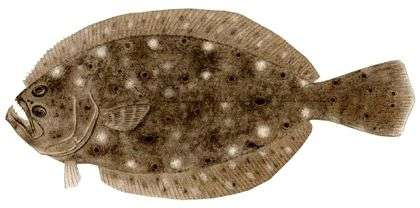
Summer flounder, or fluke as some folks call them, are ambush predators that lie flat on sandy bottoms waiting for prey to swim by. They're excellent table fare and fun to catch on light tackle. The key is keeping your bait moving just off the bottom. Best fishing is typically late spring through early fall, and they can surprise you with their size – a doormat flounder over five pounds will make your day.
Sheepshead are the pickpockets of the marsh. These black-and-white striped fish have human-like teeth and a habit of stealing bait without getting hooked. They hang around structure where they can pick barnacles and small crabs. Winter is prime sheepshead season, and once you figure out their light bite, they're actually pretty easy to catch. Plus, they're fantastic eating – white, flaky meat that rivals any fish in the gulf.
Sea trout, or speckled trout, are probably the most popular inshore species in Louisiana. They're aggressive biters that hit both live bait and artificials, and they're willing to cooperate most of the year. Spring and fall offer the best action, but even summer and winter can produce solid catches. They love grass flats and drop-offs near deeper water. A good speck bite can save a slow day, and they're perfect for anglers who like steady action.
Time to Book Your Spot
This extended combo trip gives you the best value for serious fishing time on the water. You're getting two trips for less than booking them separately, plus the convenience of having your morning catch properly stored while you recharge for the afternoon session. Whether you're looking to fill the cooler, chase personal bests, or just spend quality time fishing some of Louisiana's most productive waters, this is the trip that delivers. The two-angler limit keeps things personal and productive. Book now and get ready for the kind of fishing day you'll be talking about long after you get home.
Learn more about the species
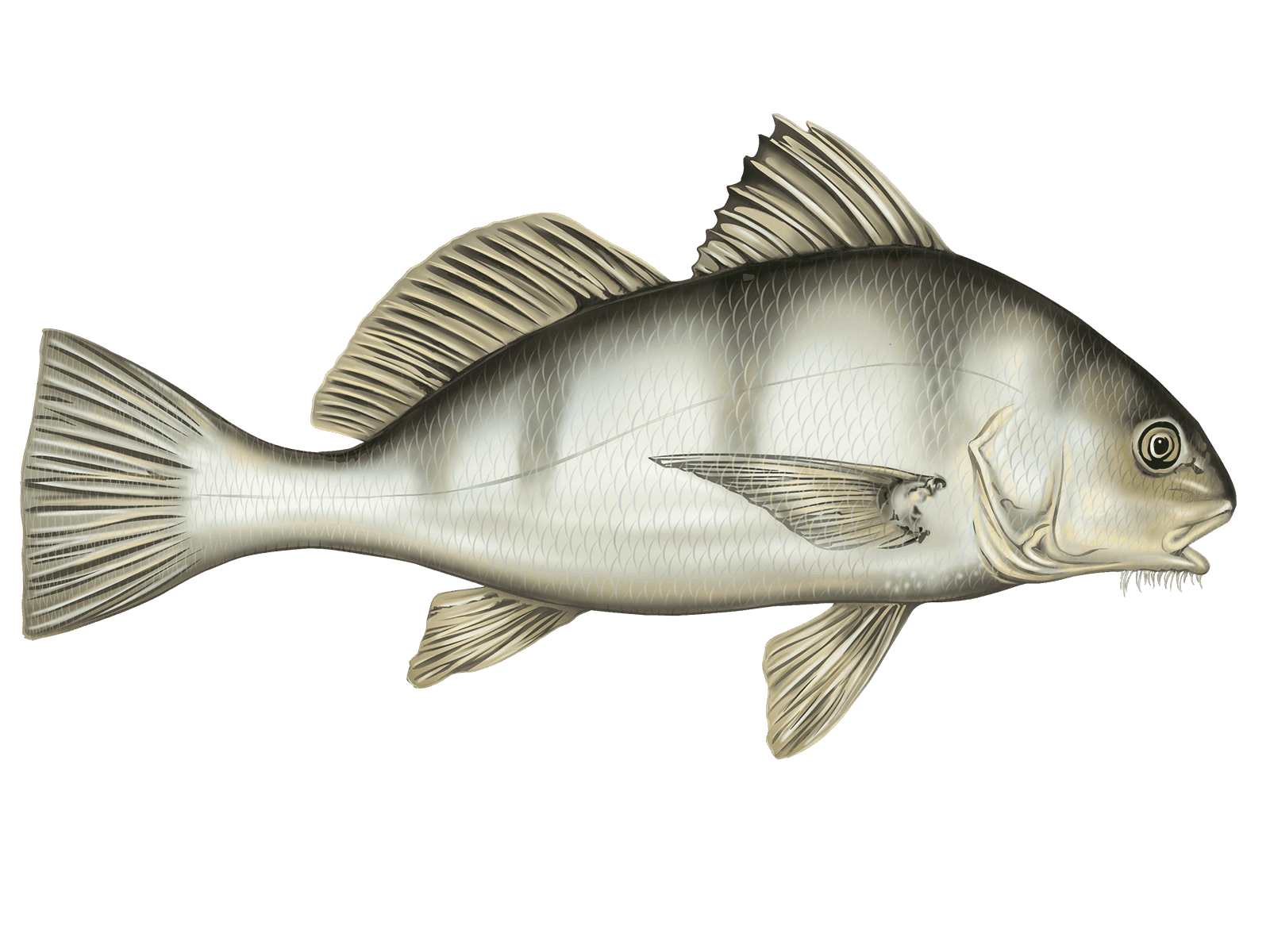
Black Drum
Black drum are the big bruisers of our local waters, running anywhere from 5-30 pounds with some monsters pushing 90. They love hanging around oyster beds and shallow muddy flats where they crush shellfish with those powerful jaws. Spring is prime time when they school up for spawning - that's when you'll hear their famous drumming sounds underwater. These fish are scrappy fighters that'll test your gear, plus the smaller ones under 15 pounds make great eating with firm white meat. My go-to trick is using fresh crab on a circle hook right on the bottom - they can't resist it, and the crab won't get picked off by catfish like shrimp will.
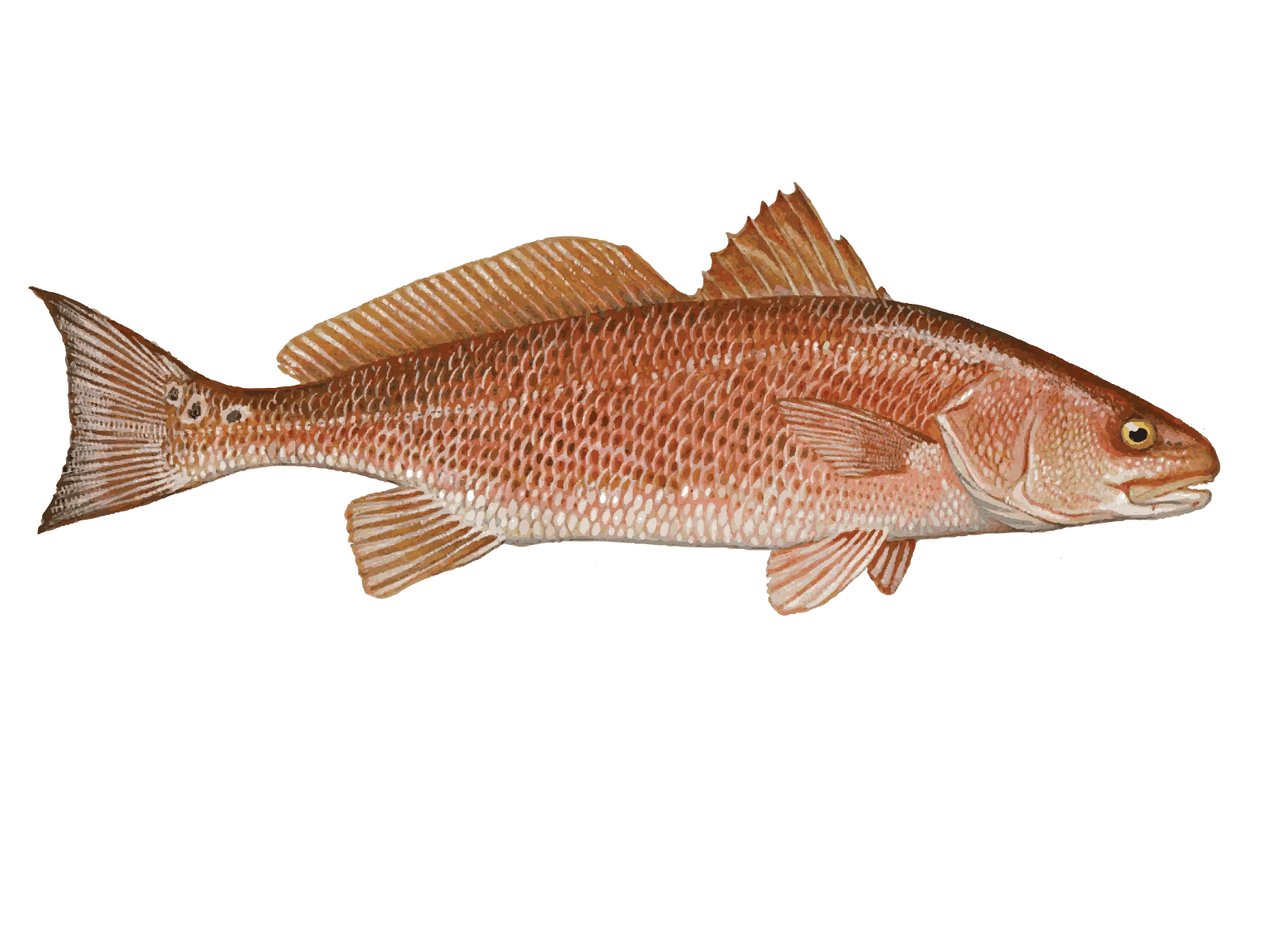
Redfish
Redfish are the crown jewel of our inshore fishing, easily recognized by that copper-red color and black eyespot near the tail. They range from schooling 20-inch fish up to massive 40+ pound bulls that'll test your drag. These fish love super shallow water - sometimes so shallow their backs stick out - around oyster reefs, grass beds, and muddy flats. Fall and spring are prime time, but we catch them year-round in our Louisiana waters. What makes reds special is that explosive strike and bulldogging fight, plus they eat almost anything that moves. The smaller slot fish make excellent table fare with sweet, firm meat. Here's my tip: look for nervous water or tailing fish in the shallows, then cast a gold spoon or topwater plug past them and work it back slowly. When they blow up on top, it's pure magic.
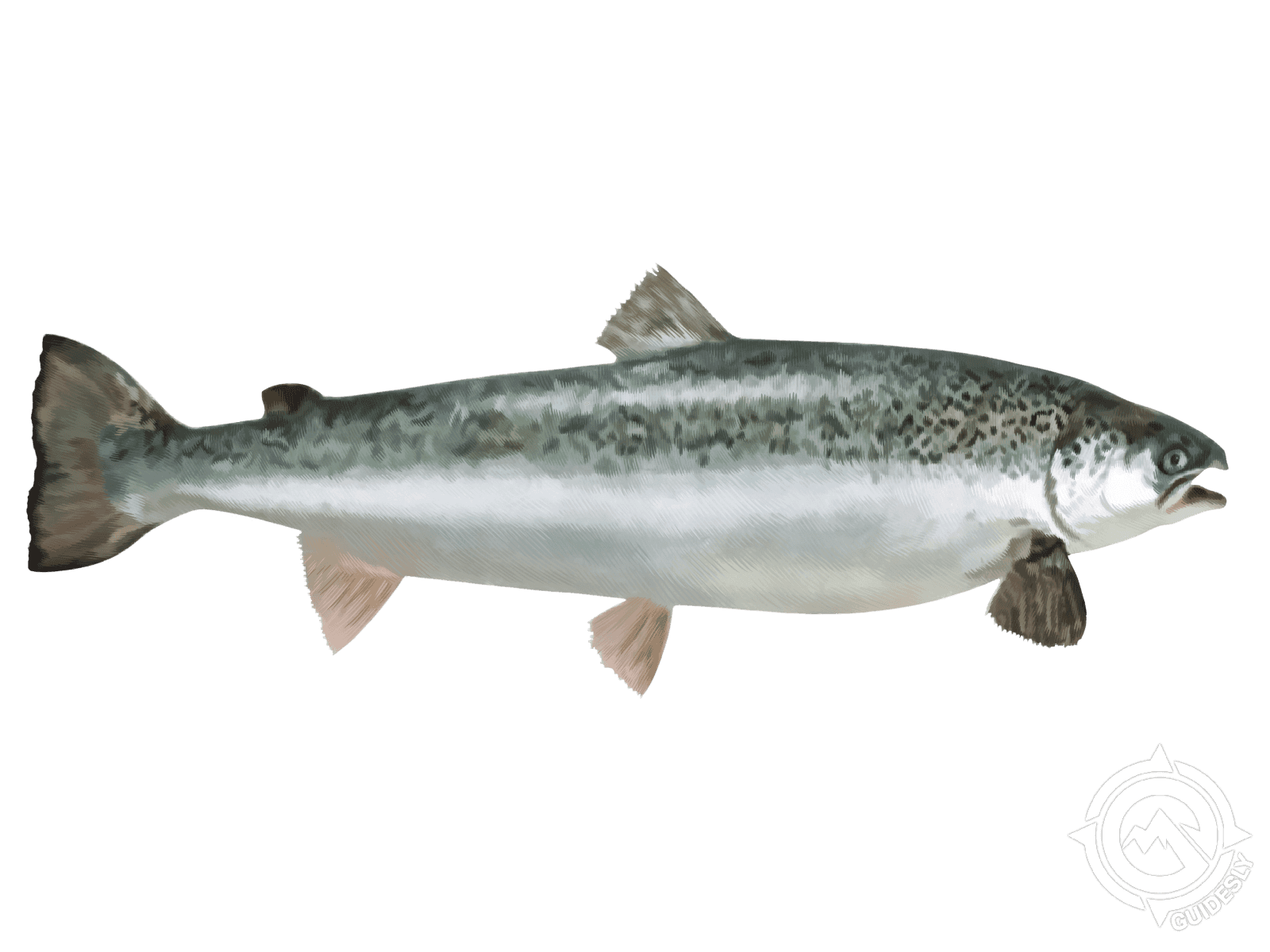
Sea Trout
Speckled trout are beautiful fish with those distinctive black spots scattered across their silver sides. Most of what we catch runs 14-16 inches, but a good trout can push 3-5 pounds and really bend your rod. They love grass flats and shallow water, especially at night when they come up to feed. Best fishing is spring through fall when water temps are right - they get sluggish in cold weather and school up in deeper holes during winter. What's great about trout is they hit artificial lures hard and fight with lots of head shakes and runs. The meat is tender and flaky, but don't overcook it or it gets mushy. My favorite technique is working a soft plastic shrimp under a popping cork over grass beds. Keep it moving with little pops - when that cork goes under, you're hooked up.
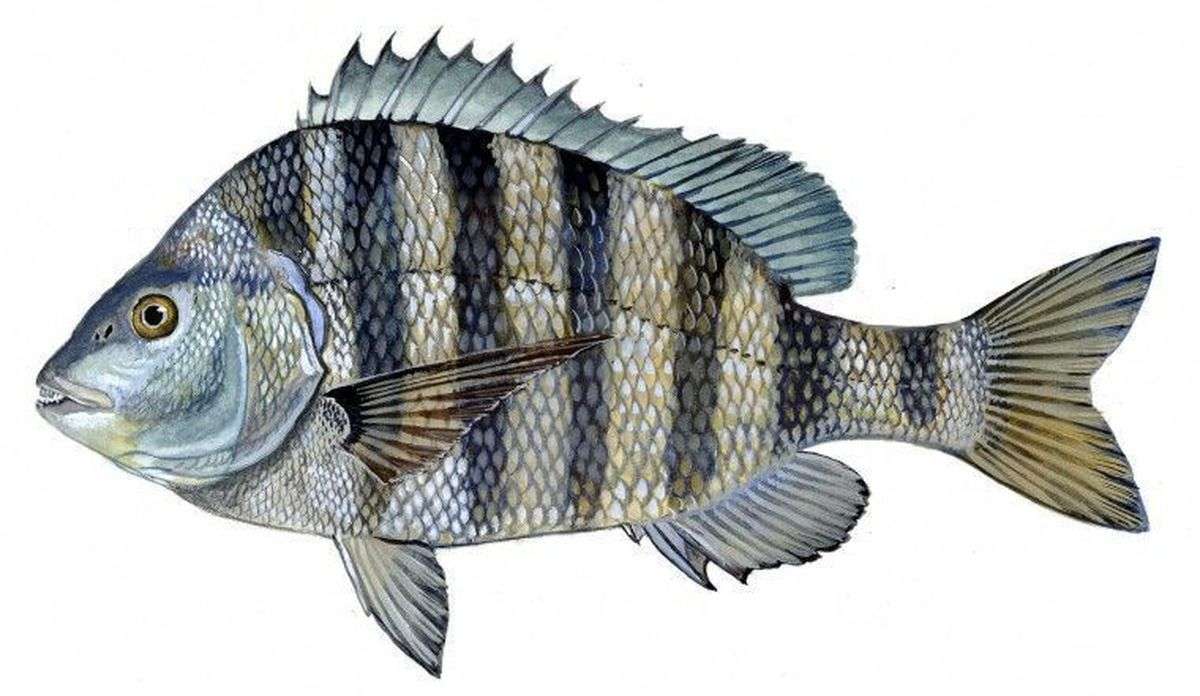
Sheepshead
Sheepshead are the convict fish of our waters with those distinctive black bars and human-like teeth that'll creep you out. Most run 1-8 pounds, but we see some hefty 15+ pounders around the right structure. They're always hugging pilings, docks, and oyster beds where they pick barnacles and crabs. Spring spawning season from February through April is when they stack up and get aggressive. People love targeting them because they're notorious bait thieves - it's a real chess match. The white, flaky meat is some of the best eating around, mild and sweet. My secret is to use small hooks with fresh fiddler crab, get right up against the structure, and set the hook hard the moment you feel weight. They'll steal your bait all day if you're not quick.
Summer Flounder
Summer flounder are fascinating flatfish that lie camouflaged on sandy and muddy bottoms, waiting to ambush prey. They typically run 15-20 inches, but we catch some real doormat-sized ones pushing 5+ pounds. These "chameleons of the sea" actually change color to match the bottom they're on. Fall months from September through November are your best bet when they're most active and feeding heavily before winter. What makes them special is that unique fight - they stay down and shake their heads like crazy. The meat is absolutely top-notch, sweet and flaky. Here's the key: use a bucktail jig tipped with squid or minnow, and fish it slow along the bottom. When you feel that subtle tap, count to three before setting the hook - they bite sideways.
About the Center Console Boats
%2F%2Fusers%2F44d14b87-ec7a-43d8-9d63-c1dee8224bad%2Fvehicle_picture%2Fimage-2024-11-21t223136.692.png&w=1920&q=75)
Vehicle Guest Capacity: 4
Manufacturer Name: Suzuki
Maximum Cruising Speed: 40
Number of Engines: 1
Horsepower per Engine: 175
Get ready for an action-packed day targeting redfish and black drum in Lafitte's productive waters! This extended combo trip lets you fish both morning and afternoon sessions with up to 2 anglers. Start early when the fish are most active, then take a break to clean your catch and grab lunch before heading back out. The beauty of this format is flexibility - switch up your target species between trips or focus on catch and release once you've hit your limits. Your morning haul gets cleaned, bagged, and kept on ice while you relax shoreside. These inshore waters are known for delivering consistent action on both redfish and black drum, making it perfect for anglers who want to maximize their time fishing. Whether you're after a fish fry or just love the fight these species provide, this combo gives you double the opportunities in one of Louisiana's most productive fishing areas.